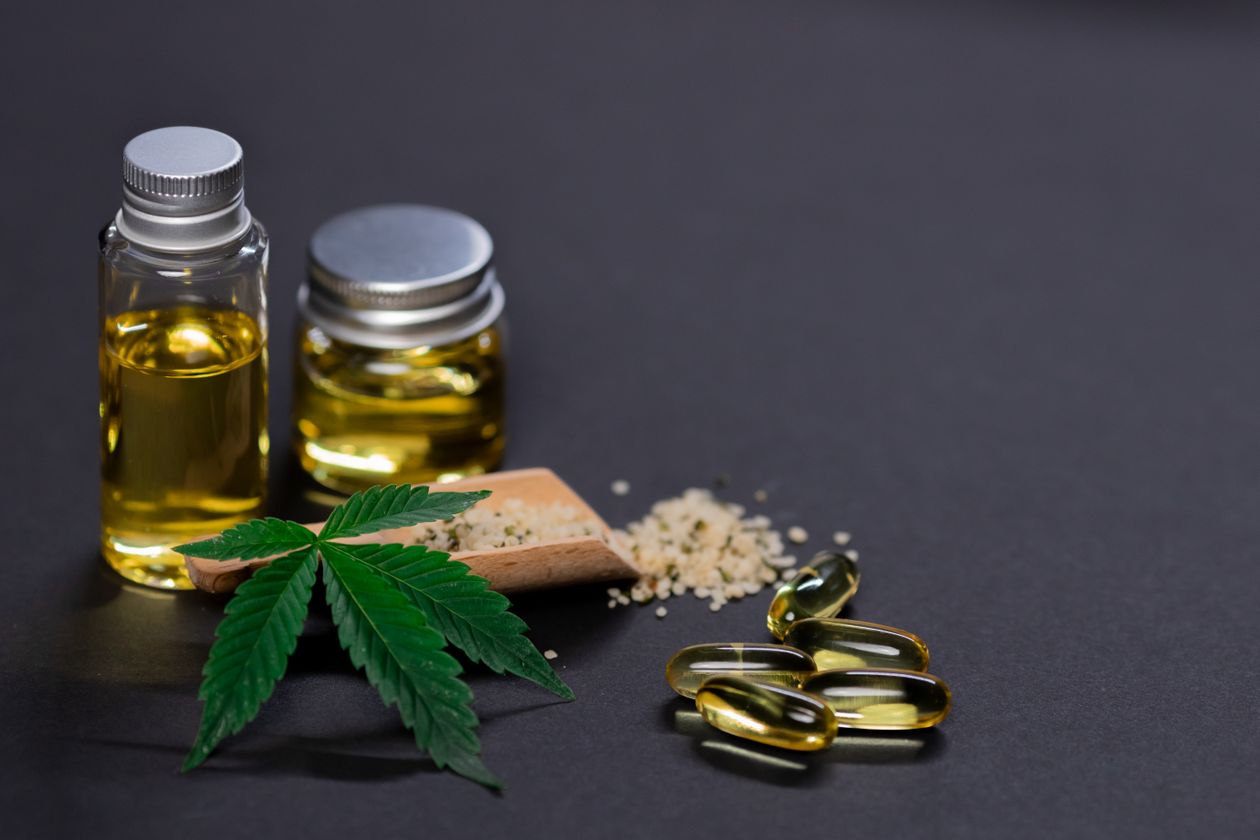
CBD (cannabidiol) is one of over 100 cannabinoids in the Cannabis sativa plant. Unlike THC, it doesn't produce intoxication. It interacts with your body's endocannabinoid system — a network of receptors that helps regulate sleep, mood, pain perception, and immune response. Here's the full picture.
Hemp vs Marijuana
Legally, the difference is THC content. Hemp is Cannabis sativa with less than 0.3% THC by dry weight (per the 2018 Farm Bill). Marijuana is cannabis above that threshold. Biologically, they're the same species — the distinction is regulatory, not botanical.
All legal CBD products in the U.S. are derived from hemp. This matters because it determines legality, testing requirements, and which products can be sold online vs. only in dispensaries.
The Endocannabinoid System
Your body produces its own cannabinoids (endocannabinoids) that interact with CB1 receptors (brain/CNS) and CB2 receptors (immune system/periphery). CBD doesn't bind directly to either in a significant way — it modulates the system indirectly by inhibiting enzymes that break down endocannabinoids and interacting with serotonin (5-HT1A) and vanilloid (TRPV1) receptors.
The 2018 Farm Bill
The Agriculture Improvement Act of 2018 removed hemp from the Controlled Substances Act, making hemp-derived CBD federally legal. But the FDA has not established a regulatory framework for CBD in food, beverages, or dietary supplements. This legal gray area means products are widely sold but not federally regulated for quality — which is why third-party lab testing is your primary quality tool.
What CBD Is NOT
- Not a cure for any disease (the only FDA-approved CBD use is Epidiolex for rare epilepsy)
- Not free of drug interactions (CBD inhibits certain liver enzymes that metabolize medications)
- Not consistently dosed across brands (label accuracy varies enormously)
- Not regulated the same way as pharmaceuticals or even dietary supplements